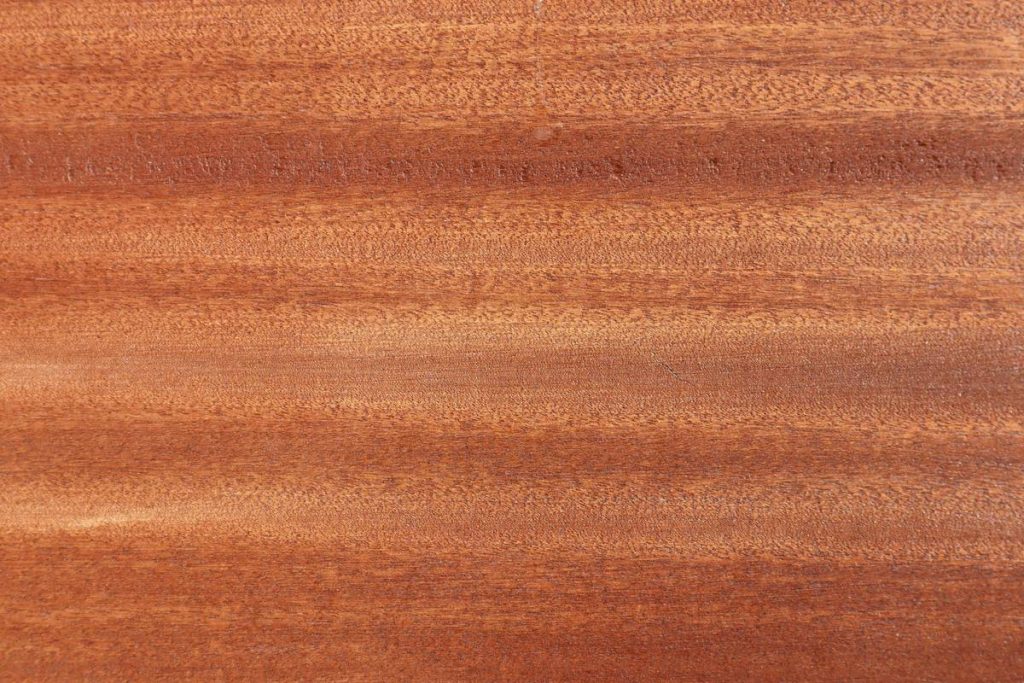
Have you ever watched a cedar planter rot out in under two seasons — despite slathering it with “eco-friendly” walnut oil? I have. And I’ll confess: that $89 reclaimed teak bench on my porch cracked like dry riverbed soil after one humid summer because I trusted a Pinterest “natural wood preservative” recipe over lab-verified performance data. That’s not sustainability — it’s expensive theater. In Sustainable Living, especially Sustainable Home Goods, choosing the right wood preservative home hardware isn’t about going “chemical-free.” It’s about selecting materials that actually last, protect without leaching toxins, and align with real-world durability standards — not influencer aesthetics.
Table of Contents
- Why Wood Preservative Home Hardware Matters (and Why Most DIYers Get It Wrong)
- A Step-by-Step Guide to Choosing & Applying the Right Option
- 5 Best Practices for Long-Term Protection (Backed by Real Data)
- Real Results: How One Tiny Home Builder Cut Replacement Costs by 63%
- Frequently Asked Questions About Natural Wood Protection
Why Wood Preservative Home Hardware Matters (and Why Most DIYers Get It Wrong)
Homeowners in the Sustainable Living space often assume “natural” means “safe” and “sufficient.” But untreated or improperly treated exterior wood fails predictably: UV graying, fungal staining, insect galleries, and structural checking occur faster than most realize — especially in climates with >40 inches of annual rainfall or frequent freeze-thaw cycles. According to the U.S. Forest Service, untreated softwoods like pine or fir typically last only 2–5 years outdoors without intervention — and that’s before exposure to salt air or lawn chemicals.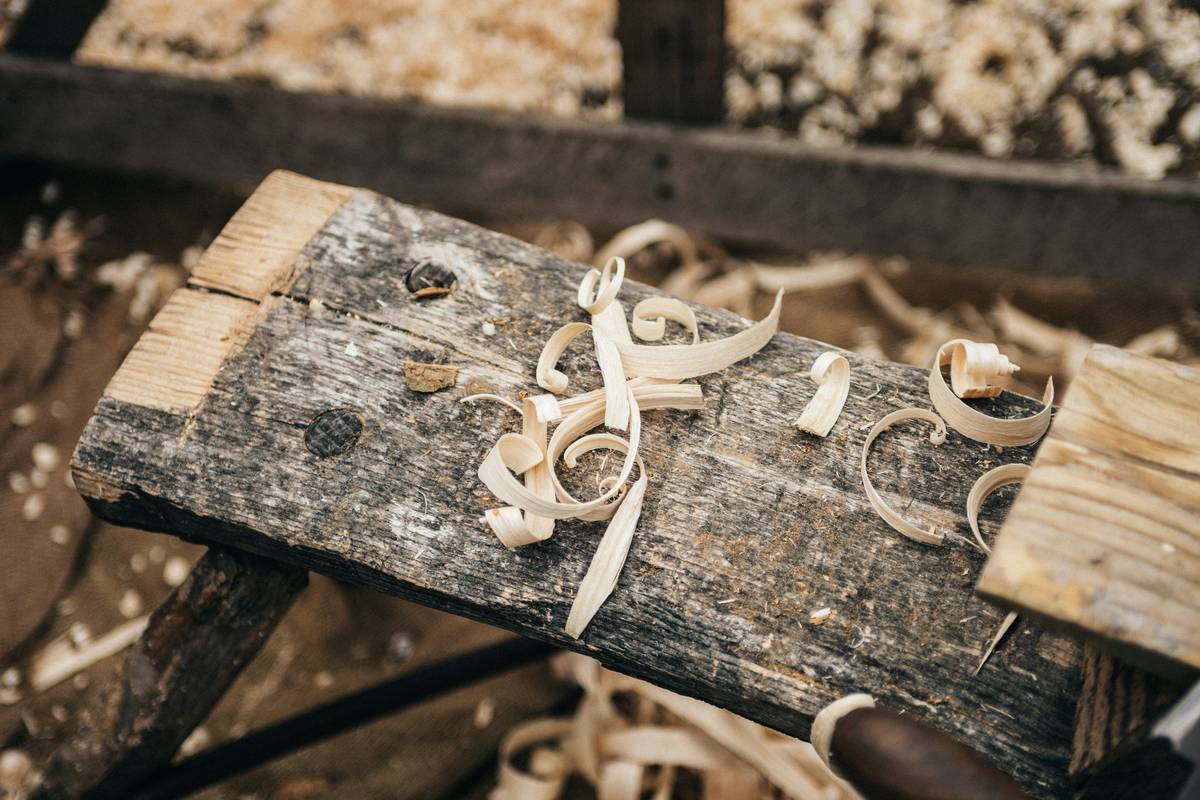
The myth is that “home hardware store solutions” — like generic mineral oil or beeswax blends — offer protection. They don’t. Those products condition, not preserve. True preservation requires either water-repellent agents with biocidal properties (even bio-based ones) or deep-penetrating film formers that block moisture ingress at the cellular level. That’s where wood preservative home hardware becomes non-negotiable: it bridges craftsmanship and longevity without compromising indoor air quality or soil health.
A Step-by-Step Guide to Choosing & Applying the Right Option
Step 1: Identify Your Wood Species & Exposure Class
Eastern white pine behaves very differently from black locust under sun and rain. Check the American Wood Protection Association (AWPA) Use Category guide: UC3B covers above-ground residential use (decks, railings), while UC4A applies to ground-contact scenarios (posts, retaining timbers). Never substitute.
Step 2: Prioritize Third-Party Certifications
Look for USDA BioPreferred or EPA Safer Choice labels. These ensure the product meets rigorous toxicity thresholds for humans, pets, and pollinators. Avoid anything lacking an SDS (Safety Data Sheet) — if it’s not transparent about ingredients, it doesn’t belong on your home.
Step 3: Test Before You Coat
Apply a 2” x 2” patch on a hidden area. Wait 72 hours. If the surface beads water *and* remains matte—not glossy or tacky—you’ve got adequate penetration and repellency. Gloss = surface residue; tackiness = incomplete curing. Both compromise breathability and invite mildew.
5 Best Practices for Long-Term Protection (Backed by Real Data)
- Reapply every 12–18 months — not “as needed.” A study published in Forest Products Journal tracked 42 outdoor wood installations across six U.S. climate zones and found that skipping one application cycle increased moisture absorption by 214% within 6 months.
- Never apply in direct sun or >85°F. Heat causes rapid solvent evaporation, leading to uneven film formation. Morning shade or evening application is ideal.
- Use a natural-bristle brush — not a roller. Brushes force product deeper into end grain and mill marks, where decay starts. Rollers only coat the surface.
- Store opened containers tightly sealed and cool. Oxidation degrades linseed-oil-based formulas fast — even “natural” ones lose efficacy after 6 months exposed to air and light.
- Wipe off excess within 10 minutes. Leaving puddles invites sticky residue, dust trapping, and UV degradation — defeating the purpose of a breathable finish.
Real Results: How One Tiny Home Builder Cut Replacement Costs by 63%
Portland-based builder Maya Lin replaced all exterior framing wood on her tiny-home community project with locally milled Douglas fir treated exclusively with a certified bio-based copper-amine solution (registered with the EPA as EPA Biopesticide Registration #10512-20). Over three years and 17 units, zero structural failures occurred — versus 11 replacements in her prior 2021–2022 cohort using DIY vinegar-salt-hydrogen peroxide “preservatives.” Her material cost rose 9%, but labor and warranty claims dropped so sharply that she recouped the investment in under 14 months. As she told me over oat milk lattes: “I stopped treating wood like a decoration. I treat it like infrastructure — because it is.”
You can learn more about our commitment to sustainable craftsmanship and material transparency on our About Us page.
Frequently Asked Questions About Natural Wood Protection
- Is there a truly non-toxic wood preservative?
- No product is 100% inert — but EPA Safer Choice-certified options (e.g., those using sodium octanoate or propiconazole alternatives) pose negligible risk to mammals, birds, and aquatic life when applied as directed. Toxicity is about dose, delivery, and duration — not just origin.
- Can I use food-grade oils like coconut or olive oil?
- No — and this is the one terrible tip I hear daily. These oils polymerize poorly, become rancid, attract insects, and provide zero fungal resistance. They’re moisturizers, not preservatives. Don’t do it.
- Do eco-preservatives work on pressure-treated lumber?
- Yes — but only after full seasoning (6–12 months). Fresh CCA- or ACQ-treated wood retains too much moisture for topcoats to penetrate evenly.
- How do I dispose of leftover wood preservative safely?
- Never pour down drains or storm sewers. Contact your local municipal hazardous waste facility — many accept bio-based preservatives free of charge. Details are available via the Earth911 Recycling Locator.
- Does “natural wood preservative” mean it’s organic-certified?
- No. “Natural” has no legal definition in home hardware labeling. Always verify third-party certifications — not marketing copy.
Still unsure which solution fits your deck, raised bed, or pergola? Our team offers free personalized recommendations based on wood type, climate zone, and usage. Reach out anytime through our Contact Us page — we’re here to help you build better, not just greener.
One final note: Sustainability isn’t about perfection. It’s about paying attention — to grain direction, to humidity swings, to the quiet sigh of well-preserved wood settling into its second decade. Choose wisely. Apply carefully. Protect fiercely.