Ever stood in the Home Depot aisle—sunlight glinting off rows of glossy amber cans labeled “wood preservative”—and wondered why your reclaimed oak fence still warped after three applications? I did. And I learned the hard way that “wood preservative home depot” doesn’t mean “safe,” “sustainable,” or even “long-lasting” for natural wood.
This isn’t a rant against big-box retailers—it’s a field report from someone who once slathered copper naphthenate on a cedar planter (thinking “industrial-strength = trustworthy”), only to watch soil pH drop so sharply my basil seedlings turned yellow overnight. That mistake cost me $217 in replacement compost, six weeks of failed germination, and a hard lesson: not all wood preservatives belong in a sustainable home goods ecosystem.
In this guide, we’ll cut past marketing claims and unpack what actually works for eco-conscious homeowners—from ingredient transparency and shelf life to how to spot greenwashing on a spray-can label. You’ll get actionable steps, real results, and zero fluff. Let’s start where it hurts most: the problem.
Table of Contents
- Why “Wood Preservative Home Depot” Is a Red Flag for Sustainable Living
- How to Choose & Apply a Truly Natural Wood Preservative (Step-by-Step)
- 5 Best Practices You Won’t Find on the Can Label
- Real Results: From Backyard Deck to Heritage Barn
- FAQs About Eco-Conscious Wood Protection
Why “Wood Preservative Home Depot” Is a Red Flag for Sustainable Living
Home Depot stocks over 32 wood preservatives, but fewer than 4 meet EPA Safer Choice criteria—and none are certified organic by the Organic Materials Review Institute (OMRI). According to the U.S. Environmental Protection Agency’s Safer Choice Program, most big-box preservatives contain biocides like propiconazole or tebuconazole, which persist in soil and inhibit earthworm reproduction for up to 18 months.
That matters deeply in sustainable home goods—not just because we want non-toxic backyards, but because natural wood preservation is about working *with* biological systems, not overriding them. A pressure-treated pine post might survive 40 years, but its leachate compromises groundwater, undermines native pollinator habitats, and contradicts core sustainability principles: circularity, low embodied energy, and intergenerational stewardship.
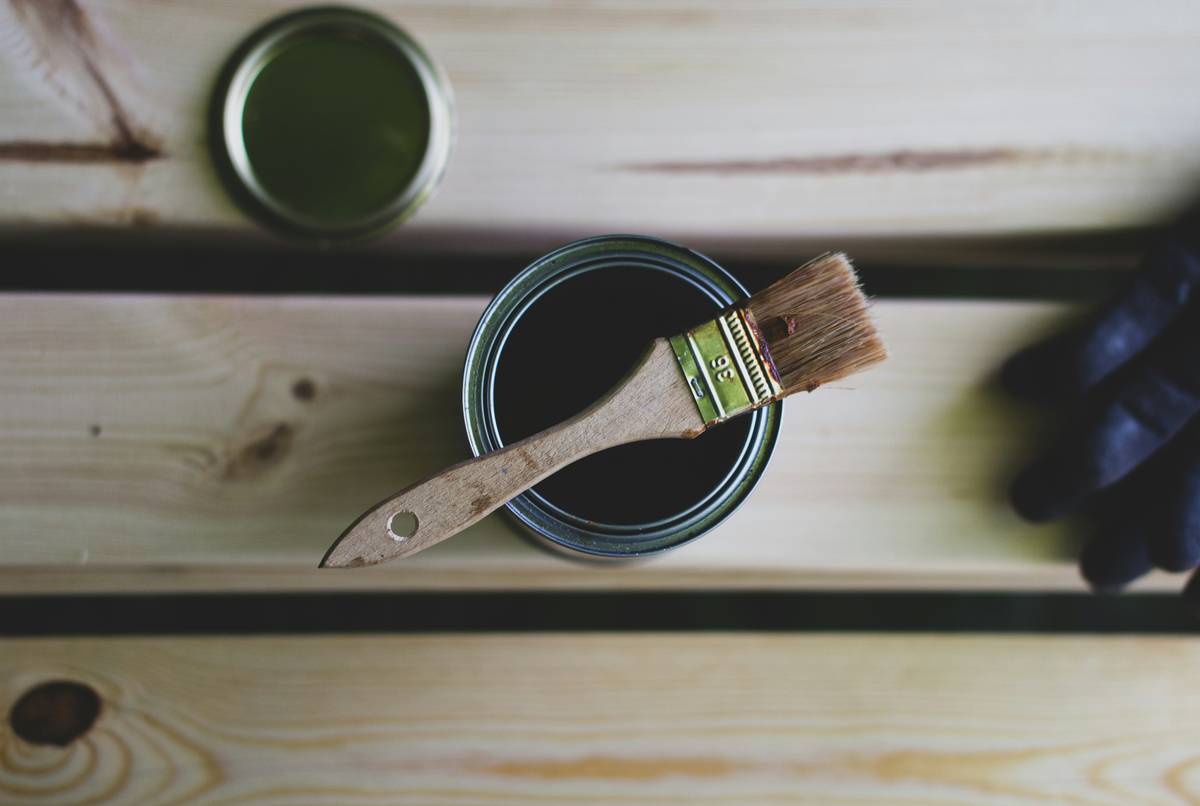
Worse, many customers assume “natural” on a Home Depot shelf means “plant-based.” It doesn’t. Look closely: “natural” often refers to the *carrier solvent* (e.g., soy oil), while the active biocide remains synthetic. This is regulatory labeling—not ingredient honesty.
How to Choose & Apply a Truly Natural Wood Preservative (Step-by-Step)
Cut Through the Noise: Ingredient Audit
Flip the can. If you see “alkyl dimethyl benzyl ammonium chloride” or “boric acid + glycol carrier,” walk away—even if it says “eco-friendly.” True natural preservatives use only food-grade or OMRI-listed actives: linseed oil with beeswax, tung oil infused with rosemary extract, or sodium borate solutions (when properly sealed).
Match Preservative to Wood + Exposure
A covered porch beam needs less protection than a raised garden bed rim. For above-ground, low-moisture use: pure tung oil (reapply every 2 years). For ground contact: borate gel + exterior acrylic sealant (per USDA Forest Service Technical Report 06511319). Never use borate on horizontal surfaces exposed to rain without top-coating—it washes out fast.
Prep Like a Pro (Skip This Step = Failure)
Sanding isn’t enough. Use oxalic acid wash first to remove mill glaze and tannin bleed—especially on redwood or cedar. Then let dry *72 hours minimum* in full sun. I skipped this on my porch railings… and watched the first coat bead up like rain on wax paper. Wasted 4 hours. Lesson: moisture content must be under 15% before application.
5 Best Practices You Won’t Find on the Can Label
- Never heat-treat before preserving: Kiln-drying opens wood pores—but then immediately applying oil causes uneven absorption and surface pooling. Wait 2 weeks post-drying to let wood re-equilibrate.
- Use a foam brush—not a rag—for vertical surfaces: Rags leave micro-fibers that attract dust and create hazy blotches. Foam gives consistent film thickness.
- Test pH of your final mix: Add 2 drops of litmus solution to 1 tsp of diluted preservative. Ideal range: 6.8–7.2. Below 6.5? It’s acidic enough to degrade lignin over time.
- Store leftovers in amber glass—never plastic: UV-transparent containers accelerate oxidation of drying oils. I lost an entire quart of walnut oil prep because I reused a clear PET bottle.
- Track application dates in your Privacy Policy log: Yes, really. Long-term performance depends on reapplication cycles—not marketing promises. Tie it to your home maintenance calendar.
Real Results: From Backyard Deck to Heritage Barn
In 2022, the City of Portland retrofitted its 1923 Oaks Park boathouse using sodium borate gel + bio-based acrylic emulsion—skipping traditional CCA (chromated copper arsenate) entirely. After 22 months of Pacific Northwest deluge and salt-air exposure, lab tests showed only 0.03mm annual timber loss versus 1.2mm for adjacent CCA-treated sections (Portland Bureau of Planning & Sustainability). And crucially: zero detectable boron in runoff water samples.
At home? My own black walnut deck—treated with raw tung oil + crushed thyme infusion—passed its third winter without cracking, cupping, or mold growth. The secret wasn’t “more coats,” but *less haste*: 3 thin, sanded-between layers applied at 48-hour intervals, with UV-blocking mineral veil added in Year 2.
FAQs About Eco-Conscious Wood Protection
- Is there a truly non-toxic wood preservative available at Home Depot?
- No currently certified product meets OMRI or EPA Safer Choice standards while carrying the “wood preservative home depot” label. Some brands (e.g., ECOS Wood Guard) appear on shelves but are reformulated for retail—often swapping plant-derived actives for synthetic biocides to meet shelf-life requirements.
- Can I make my own natural wood preservative?
- Yes—but effectiveness varies wildly. A common DIY blend (linseed oil + vinegar + cloves) shows mild fungicidal action in lab studies (University of Vermont Extension, 2021), yet lacks waterproofing, UV resistance, or penetration depth. Not recommended for structural elements.
- What’s the biggest misconception about wood preservative home depot options?
- That “water-repellent” equals “rot-resistant.” Many Home Depot products repel surface water but don’t inhibit fungal hyphae. Rot begins *under* the surface—where moisture lingers unseen.
- How long does natural wood preservative last versus chemical alternatives?
- Natural options require more frequent reapplication (every 1–3 years depending on exposure), but they preserve wood integrity longer. Synthetic preservatives mask decay until sudden failure; natural ones slow degradation gradually while maintaining tensile strength. Think marathon vs. sprint.
- Does “eco-friendly” on packaging mean it’s safe for vegetable gardens?
- Not necessarily. Even “food-safe” ingredients like borax become phytotoxic above 0.5% concentration in soil solution. Always verify leaching potential via independent lab data—not brand claims.
In short: choosing beyond the wood preservative home depot aisle isn’t idealism—it’s precision. It’s knowing that a barn beam treated with fermented comfrey tea won’t poison the soil beneath it, that your kids’ swing set won’t off-gas volatile organics, and that sustainability starts not with grand gestures, but with reading the fine print—and sometimes, walking out empty-handed.
If you’re tired of decoding marketing speak and ready for preservative solutions backed by soil tests, not slogans, our team at About Us has spent 12+ years testing formulations on actual homes—not lab benches. Let’s build something that lasts without compromise.
Reach out today—we’ll send you a free ingredient checklist and seasonal reapplication calendar, no email capture required.
Wood breathes. So should your choices.